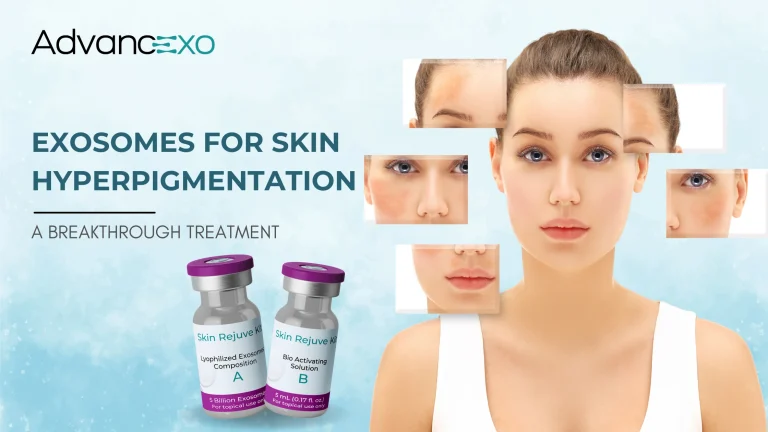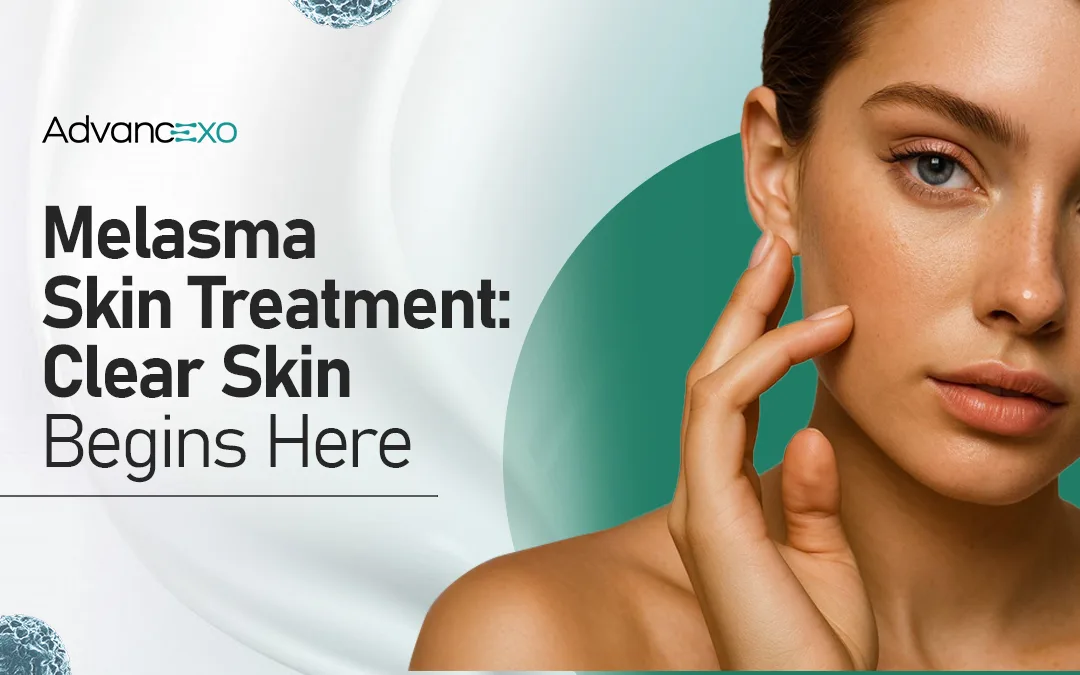
Tired of those stubborn dark patches and freckle-like spots dulling your glow? We tell you exactly how to fade them with clearer, brighter and healthy skin.
By the end of the month, probably all the tan would be almost gone, but a glance in the mirror might still show some stubborn patches. These grayish-brown or brown patches on your face, most on the forehead, cheeks, chin, upper lip, and nose, may indicate Melasma.
Melasma is often called a “mask of pregnancy”, as it is triggered due to excessive hormonal fluctuation in pregnant women. However, this condition is not restricted to pregnant women, and you might be the one who is affected by it. Globally, the prevalence of Melasma Treatment affects up to 41% in some regions, with predominant prevalence up to 90% in women.
Though the problem is not life-threatening, healthcare practitioners believe challenges with its management. As it affects the facial region, Melasma has a detrimental effect on the overall well-being of the patient, directly affecting their emotional and psychological state.
Ready to dive deeper?- Let’s explore the cause of Melasma, how it is diagnosed, popular treatment options available and their challenges, and how exosome therapy is emerging as a safer and more effective option.
Understanding Melasma
Human skin is in the form of three layers: epidermis (outer layer), dermis (middle layer), and subcutis (deepest layer). Skin is the largest organ in the body, making up to one-seventh of the body’s weight. It acts as a barricade that protects all the internal organs from harsh climatic conditions and microbial infection. It aids in regulating the body’s temperature, sensation, hydration, etc.
Melasma can affect the skin in three different forms:
- Epidermal- Dark brown colour patch with well well-defined layer
- Dermal- Mostly light brown or bluish patch with blurred border
- Mixed- Most common type consisting of both dark brownish and bluish patches, the skin looks flaky and patchy
Melasma Facts: Signs & Symptoms
Two major factors result in Melasma, such as:
- Hormonal Fluctuation
- Radiation, both Infrared and Ultraviolet radiation
- Other factors that trigger Melasma include:
- Consumption of hormonal (estrogen and progestin) based contraceptive pills
- Antiseizure medication like Clobazam
- Genetic cause
- Cosmetics causing phototoxic reaction
- Tanning beds produce UV lights
Common areas affected by Melasma include:
- Forehead
- Bridge of the nose
- Cheeks
- Upper lip
- Chin
Some less common sports include areas of the neck, forearms or legs.
Melasma Diagonosis
Dermatologists often diagnose Melasma via visual examination using a Wood’s lamp. Healthcare practitioners might recommend a thyroid check because of its association with Melasma. In extreme cases biopsy might be done, as Melasma might be confused with other skin conditions like lichen planus, hypomelanosis (deprived melanin production), lentigo, or postinflammatory pigmentation.
Popular Melasma Treatments
Melasma Treatment is still challenging to date. The first step recommended is not to make the condition worse. Avoid excessive sun exposure. LED screens, UV tanning beds, birth controls or hormonal pills, and harsh cosmetics and soaps. The popular treatment recommended by dermatologists includes:
- Tropical Medication: Generally, tyrosinase inhibitors and other medications in the form of oral pills or cream are recommended. Some examples include azelaic acid, cysteamine, hydrocortisone, hydroquinone, methimazole, tranexamic acid, etc.
- Chemical peels: This involves exfoliating the outer skin layer using common agents, including glycolic acid or trichloroacetic acid (TCA).
- Laser therapies: Several types of laser treatment are recommended, including PicoSure (creates high pressure), fractional (treatment with microscopic holes), intense pulsed laser (multispectrum lights used at different wavelengths), Q-switch laser (energy breaks melanin into smaller pieces), etc.
- Microneedling: Creates micro-injuries and promotes collagen and elastin production. This leads to skin tightening and reduction of hyperpigmentation. Microneedling is a safer choice compared with the other approaches above as it is minimally invasive and stimulates neocollagenesis, elimination of transcutaneous, and neoelastogenesis.
However, these treatments often are associated with several challenges, including:
- Allergic reactions
- Damaged outer skin layer with a laser or chemical peel-off
- Recurrence and ineffective in case of post-inflammatory hyperpigmentation
Exosome Therapy: Introducing Regenerative Dermatology
Exosome therapy has proven to be a safer and effective option as the Best Treatment for Melasma. It is a new hope that undertakes a regenerative approach and addresses the root cause of the problem. Stem cell-derived exosomes are tiny molecules that consist of essential proteins, growth factors, anti-aging, anti-inflammatory, and skin-brightening properties.
The administration of exosomes for skin rejuvenation is often combined with microneedling. A tiny channel in the skin is created that enables the exosome to penetrate deeper into the skin efficiently.
The significant advantages of introducing exosome therapy include:
- Regeneration/Skin Rejuvenation by enabling cellular repair
- Decreased melanin production
- Decrease vascularity
- Drop in inflammation
- Promotes production of collagen and elastin
- Introduction of antioxidant properties, combating the excess production of free radicals
Exosome Treatment Offered in India for Melasma Treatment
Various aesthetic clinics in India offer exosome therapy effectively for Melasma Skin Treatment that promotes cellular regeneration, skin rejuvenation, boosts collagen and elastin production, reduction of melanin production, and improves overall skin texture.
The popular clinics include:
- Kosmoderma, Bangalore
- ISAAC Luxe Clinic
- Clinic Dermatech
- Dr. Sheth’s Skin and Hair Clinic
Advancexo Noida pioneering lab conducting cutting-edge research on exosomes.
Side Effects
Exosome therapy for Melasma Skin Treatment are usually safer, yet there are specific possible side effects that every individual choosing the therapy must know. The common and short-term side effects include:
- Inflammation at the site of injection
- Redness and Swelling
- Some rare but serious side effects include:
- Infection at the site of exosome introduction
- Localized necrosis
- Scarring, or
- Granuloma Formation
Myths or Facts?
Myth 1: Melasma can be permanently cured
Fact: Melasma is a complex condition that can be managed by choosing effective therapy. Exosome therapy is most effective with the least associated side effects. An individual opting for therapy must combine it with using high SPF sunscreen, avoiding direct sun exposure, and maintaining skin health.
Myth 2: Home remedies can quickly remove Melasma
Fact: Using lemon juice, vinegar, tomato extract, etc, can additionally irritate the skin, worsening the melasma condition. One must consult an experienced dermatologist and choose well-informed, effective treatment.
Myth 3: Only sun exposure causes Melasma
Fact: Though sun exposure worsens the Melasma, but significant cause of Melasma is due to hormonal imbalance
Myth 4: Melasma only affects women
Fact: Women are more prone to developing Melasma due to hormonal fluctuation. However, males can also develop Melasma due to high sun exposure and genetic predisposition.
Myth 5: Melasma is only pigmentation on the skin
Fact: Melasma is a complex condition generally associated with hypermelanocyte activity and inflammation. A correct diagnosis and an expert’s recommendation for its effective treatment are recommended.
Major Takeaways: Your Path to Clear, Even-Toned Skin
- Protect Sun Exposure: High SPF sunscreen and protein clothing are crucial, along with opting for the treatment.
- Consistency: Individuals opting for exosome therapy must comply with the expert’s guidelines and advice
- Safety and Efficacy: Exosome therapy is safer for diverse skin tones individuals including people with darker skin tones
- Combinational approach: Combinational approach with exosomal therapy might show superior long-lasting results
Exosome therapy offers promise for treating stubborn Melasma. The approach not only targets pigmentation of skin but also improves overall skin health. Exosome therapy can be called a holistic treatment approach. With the advancement in exosome therapy, the future seems bright for individuals with Melasma.
FAQ’s
Q- What is Melasma?
Melasma is a complex condition primarily associated with hormonal imbalance, sun exposure, stress, etc. It results in brown or greyish patches on the face including the forehead, nose, cheeks, or upper lip.
Q- Is there any permanent cure for Melasma?
The permanent cure for Melasma is not promising. However, the condition is manageable with efficient and consistent treatment. Exosome therapy in combination with other treatment options is most promising in treating Melasma.
Q- What are common Melasma Skin Treatment?
The most common treatment for Melasma includes creams, oral medications, chemical peels, and laser treatment. However, all these treatments might have adverse effects, worsening the condition. Exosome therapy is a modern solution for treating Melasma with minimal side effects.
Q- Is exosome therapy safe and has long-term effects as Best Treatment for Melasma?
Exosome therapy is mostly a safe and minimally invasive therapy for treating Melasma, hence can be considered as Best Treatment for Melasma. It enables cellular repair, reduces melanin production, and induces anti-inflammatory and antioxidant effects. However, the common short-term side effects include redness and swelling that go away with time.
Q- Can diet and lifestyle change help with melasma treatment?
Yes, certain factors like excessive sun exposure, heat, lack of antioxidants, etc., elevate inflammation and aid in Melasma. Introducing a diet rich in Vitamin C, omega-3, Vitamin E, and other antioxidants helps manage the problem.
Q- Is Melasma and Hyperpigmentation Treatment the Same?
No, Melasma and Hyperpigmentation are different as melasma is a distinct type of hyperpigmentation which is not easily curable due to involvement of hormonal imbalance. However, Melasma and Hyperpigmentation Treatment can be overlapping including protection from direct sun exposure, chemical peels, introduction of retinoids, lasers, etc.