Hair loss has a deeper psychological impact on many. Individuals strive to explore advanced solutions for hair restoration as it closely resembles self-identity.
Hair transplantation has offered a natural-looking, long-lasting solution for hair loss globally. Yet, gaining the optimal outcome is far from simply relating to the hair follicles. The success depends on graft healing, adaptation, and how individuals create an inclusive environment to thrive after the transplantation. This has widely drawn the attention of researchers and dermatologists towards regenerative approaches.
Exosomes for Hair Growth are widely trusted regenerative solutions to support the hair regrowth journey and promote healing. However, the question still remains about its efficacy. This blog enlightens critical aspects of hair transplantation and how exosomes can potentially benefit post-hair transplantation recovery.
What Causes Hair Loss?
Typically, shedding more than 50-100 strands of hair regularly is a serious concern. Hair loss is common and can be temporary or permanent. Hair loss indications include:
Androgenetic Alopecia
- Hereditary hair loss, also called pattern baldness among men and women
- Hair loss occurs gradually in predictable patterns
- Among men, bald spots appear; in women, hair thinning in the crown area occurs
Alopecia Areata
- An autoimmune condition, immune system attacks individual’s own hair follicles
- Affects hair all over the body (scalp, body, eyebrows, eyelashes)
- Hair loss appears in a patchy pattern and can affect children and adults
- A progressive condition that can lead to alopecia totalis (complete hair loss)
Telogen Effluvium
- A large number of hairs are pushed towards the telogen (resting) phase
- The next generation of the hair growth cycle is delayed
- Rapid hair shedding in a shorter time period triggers management to reverse the hair fall.
- Sudden hormonal changes, physical or emotional distress, certain medications
Cicatricial Alopecia
- A rare hair loss condition, also called scarring alopecia
- Inflammation destroys hair follicles, leading to scarred tissue (an irreversible condition)
- Hair falls begin slowly and go unnoticed at the beginning, and hair fall occurs all at once
Hormonal Fluctuation
- Hormonal fluctuation during pregnancy, childbirth, menopause, thyroid fluctuation
- Temporary hair loss, hair regrows with the restoration of hormonal balance.
When is Hair Transplantation Recommended?
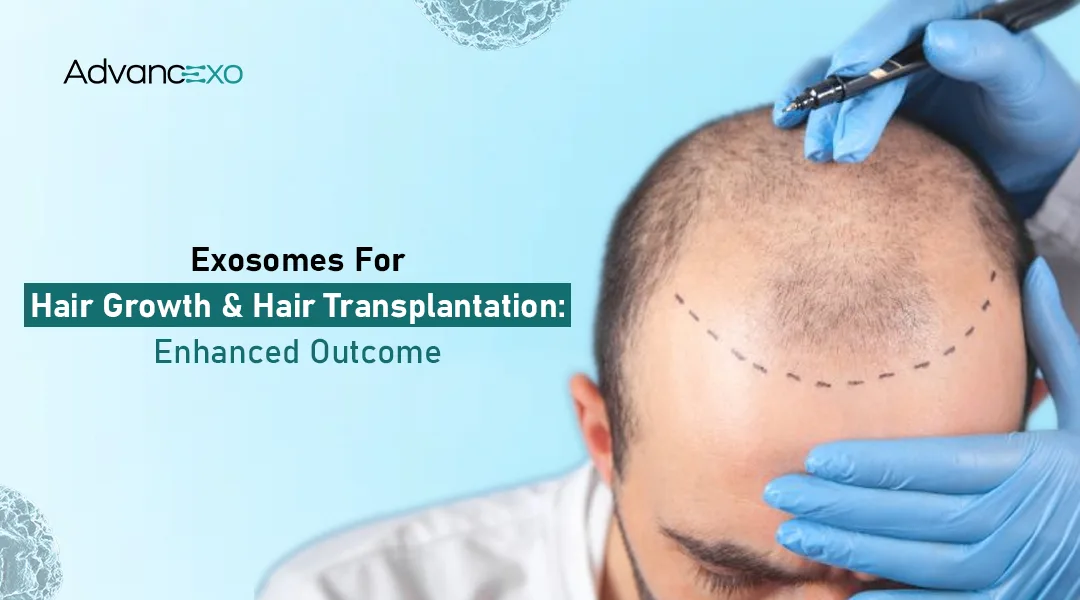
‘Hair transplantation treatment’ or ‘hair restoration’ involves an outpatient procedure that involves the micrografting technique to place healthy hair follicles in the target area. After the procedure, healing can take between 6 and 12 months—the bald patches on the scalp fill in, followed by a healing process. Hair transplantation can involve a distinct process depending on the candidate’s suitability. This includes:
Follicular Unit Extraction (FUE)
- Involves creating small punctures on the target scalp area for transplantation
- Hair follicles for transplantation are retrieved from all over the scalp
Follicular Unit Transplantation (FUT)
- Involves retrieving a strip of hair follicle from the back/side of the scalp (safe donor area)
- A higher number of grafts transplanted in a single session, however, leaves a scar in the donor area
Ultra High Density Hair Transplantation (UHDHT)
- An advanced solution involves 60-80 grafts/cm2
- Superior to FUT, where 30-40grafts/cm2 occurs
- Suitable for hair grade baldness, low hair density, hair thinning, or certain autoimmune conditions
*Dermatologist recommends the best hair transplantation solution based on the individual’s hair loss indication, severity, and specialised needs
Who are Non-Ideal Candidates for Hair Transplantation?
Many think of hair transplantation as a permanent hair loss solution. There is no ‘one-size-fits-all’ solution when it comes to biological conditions. Hair transplantation is not suitable for individuals falling under these categories:
- Experiencing diffuse unpatterned alopecia (DUPA). Hair loss occurs in uncertain areas, including the temporal, occipital, and parietal scalp.
- Individuals experiencing cicatricial alopecia (CA) after transplantation can experience superimposed CA.
- In active alopecia areata, the chances of hair loss recurrence are high
- In case an individual experiences more than 15% follicle miniaturization in the target area, the dermatologist stabilizes the individual for 6-12 months through medical therapy before hair transplantation
- Careful consideration of the juvenile individuals, set up realistic expectations before beginning any hair loss treatment [1]
What are the Challenges Following Hair Transplant Surgery?
Hair Transplantation Treatment success depends widely on post-operative care. Healing depends on post-hair transplantation care, including following a washing schedule, avoiding strenuous physical activities, medications, and recurrence of hair loss indications. The common challenges include:
- Short-term challenges include swelling, itching, pain, oozing or discomfort.
- Individuals can experience shock loss, that is, excessive hair fall, post 2-6 weeks of surgery.
- Donor area depletion due to the overharvesting of the donor site
*NOTE: To combat post-hair transplant challenges and long-term outcomes, dermatologists are considering a regenerative approach
Why Can Exosomes Make a Difference?
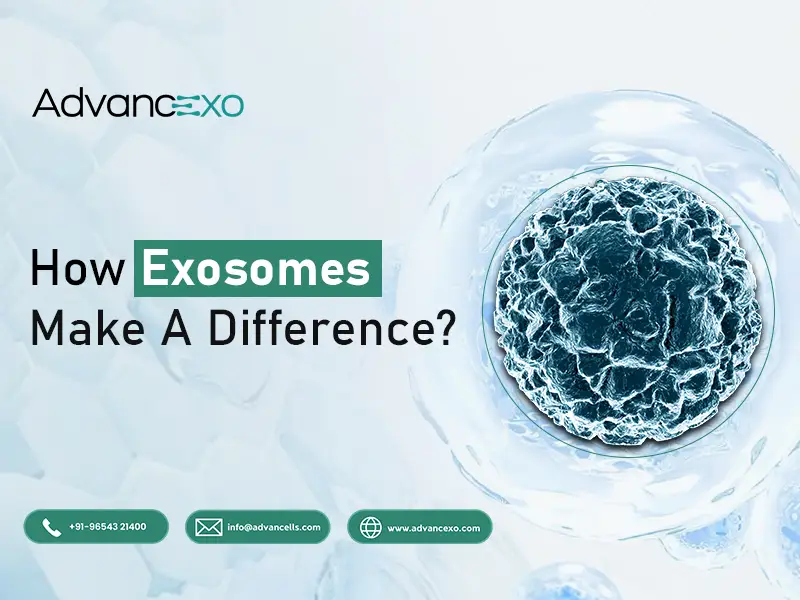
Exosomes are tiny nano-sized biologically active molecules that have regenerative capability. These molecules are extracellular vesicles, naturally derived from cells. They deliver essential proteins, mRNAs, cytokines, growth factors, lipids, and activate regenerative signals at the target region. These molecules activate dormant hair follicle proliferation, improve blood circulation, and create a supportive scalp microenvironment. Followed by hair transplantation, exosomes for hair growth facilitate a smoother transition. They boost post-hair transplantation healing and create a healthy scalp to support long-term outcomes.
How Exosomes for Hair Loss Work?
Exosomes for hair growth undertake various cellular mechanisms to provide support. This includes:
Stimulates Follicular Activities
- Exosomes stimulate dermal papilla cells, activate hair follicle stem cells
- Reactivates dormant hair follicles, promotes follicle entry in the anagen phase
Boost Blood Flow
- Exosomes release various growth factors like VEGF, FGF, and IGF-1
- Promotes new blood vessel formation, facilitates blood, oxygen, and nutrient flow in the target region
Anti-Inflammation & Immunomodulation
- Exosomes for hair growth releases various anti-inflammatory molecules that neutralize the pro-inflammatory signal effect.
- Modulates immune response, mitigates autoimmune responses, and calms the scalp
- Protects hair follicles and creates a favourable environment
Repair Damaged Scalp Tissue
- Exosomes release various cytokines and growth factors that trigger repair signalling
- Creates a supportive microenvironment, creates a calming effect
- Stimulates hair follicles to extend the anagen (growth) phase
Are Exosomes Worth Hype?
Preclinical and clinical evidence support the synergistic effect of exosome treatment for hair restoration and hair transplantation. The key aspects include:
- Supports critical healing period, cytokines, and growth factors support graft survival
- Reduces post-procedural inflammation, supports wound healing responses
- Improves graft retention and supports hair shaft thickness
- Improves follicular function, enhances hair coverage and density
*NOTE: Exosomes for Hair Loss create significant positive outcomes. The exosomes used should be of superior quality. The procedure must be performed by an experienced dermatologist and in a renowned clinic. Advancexo, India, is a leading clinical-grade exosome supplier for hair rejuvenation. Exosomes undergo stringent quality checks before being dispatched.
Conclusion
Exosome treatment for hair restoration is an effective means of supporting the post-hair transplantation procedure. They deliver growth factors, cytokines, proteins and signalling molecules that support cellular communication. Exosomes support graft survival, create a healthier microenvironment, and promote healing. The initial findings are clinically encouraging. In future, large-scale clinical trials are required to ensure long-term safety and efficacy of the procedure.
References
- True RH. Is every patient of hair loss a candidate for hair Transplant?—Deciding surgical candidacy in pattern hair loss. Indian Journal of Plastic Surgery. 2021 Oct;54(04):435-40.
FAQ’s
Q- What are Exosomes for Hair Loss?
Exosomes are tiny nano-sized vesicles that carry bioactive molecules, including proteins, microRNAs, growth factors, and cytokines. Exosomes for hair growth act at the cellular level and support hair regrowth by creating a favourable environment.
Q- Can Exosome Therapy Improve Hair Transplant Results?
Clinicians and researchers are widely exploring the opportunity. Exosomes possess regenerative capability via which they support post-hair trans[planttiong healing. It reduces inflammation and induces regenerative signalling that supports hair grafts and promotes hair restoration.
Q- When is Exosome Treatment Performed After a Hair Transplant?
The exosome treatment timings depend on the individual’s condition, transplantation technique, and personalized treatment plans. A dermatologist considers various aspects like health and scalp assessment, hair loss problem, and severity to determine suitable post-hair transplant care.
Q- Can Exosome Treatment Substitute for Hair Transplantation?
No, exosome treatment with hair transplantation acts as a complementary regenerative approach. Individuals experiencing significant hair loss are recommended for hair transplantation. Exosomes for hair loss support post-hair transplantation recovery.