You must have heard the term ‘uneven skin tone’ a million times. Have you ever wondered what causes it? Or have you sought professional help to get rid of it?
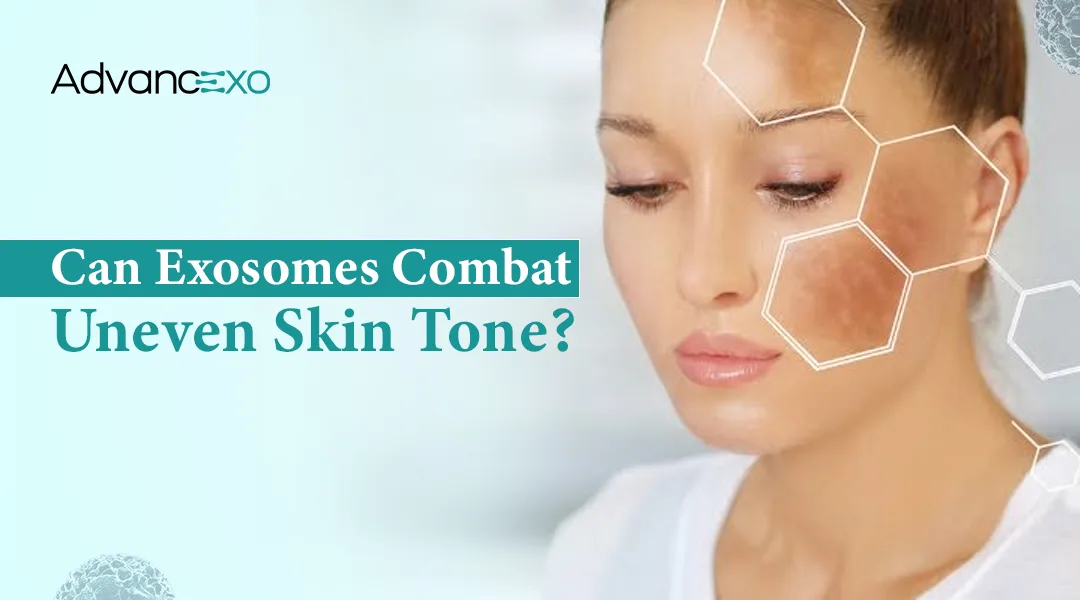
A smooth, radiant complexion comes with healthy-looking skin. Achieving an even skin tone is often more complex than fixing those dark spots or pigmentation. Uneven skin tone comprises a darker or lighter blotchy appearance on the face or other body parts. Various conditions like hyperpigmentation, dullness, post-inflammatory marks or inconsistent complexions are major contributors. Often, direct sun exposure, inflammation, aging signs or dysregulated melanin production leads to a patchy appearance.
Conventional methods, including use of topical skincare products or in-clinic procedures (peels, laser, microneedling), potentially addresses specific skin issues. While growing interest in regenerative aesthetics has shifted attention towards adapting biological processes. From a dermatological perspective, the focus remains on understanding the underlying cause of the Uneven Skin Tone and introducing adequate treatment based on an individual’s needs. The current article explores multifactorial causes of uneven skin tone and discusses various skin tone improvement strategies.
What Makes Skin Tone Improvement Challenging?
Uneven skin tone often appears with altered melanocyte activity resulting in excessive melanin production. Individuals with medium to darker skin tones more frequently face the problem due to excessive melanin production. Various factors contributing to discoloured skin include:
- Dysregulation of melanocytes; melanocytes are responsible for melanin production, while dysregulated melanocyte activity may result in hyper- or hypopigmentation
- Post-inflammatory hyperpigmentation (PIH) spots caused by inflammation or skin injury.
- Increased oxidative stress triggered by regular sun exposure, lack of antioxidants or increased free radicle
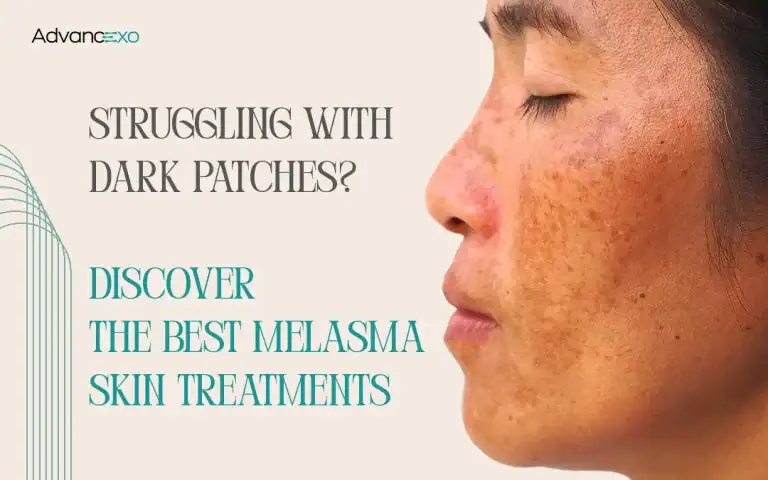
- Hormonal fluctuation, especially during pregnancy. Melasma is among the common skin problems that result in hyperpigmentation at targeted sites. It is common among pregnant women or women on a contraceptive routine
*Conventional approaches, including topical cream/serum application, resurfacing approaches including peels or laser and following a skincare routine, potentially work for skin tone correction. However, recurrence of the spots or patches is a common occurrence. Regenerative aesthetics aims to target the root cause of the uneven skin tone. They potentially modulate cellular mechanisms and develop a long-term solution.
Exosomes and Skin Rejuvenation: Understanding the Science
Exosomes are nano-sized cargo that are naturally released by cells. Researchers have widely used mesenchymal stem cell (MSC)-derived exosomes in aesthetic applications due to their regenerative and paracrine signalling abilities. Exosomes are powerful cargoes carrying various bioactive molecules, including proteins, microRNAs, growth factors, lipids, cytokines, and other signalling molecules. The availability of a concentrated amount of bioactive molecules makes them active agents in targeting multiple pathways simultaneously. Unlike conventional skincare that mainly works at the surface level, exosomes for skin act at the cellular level.
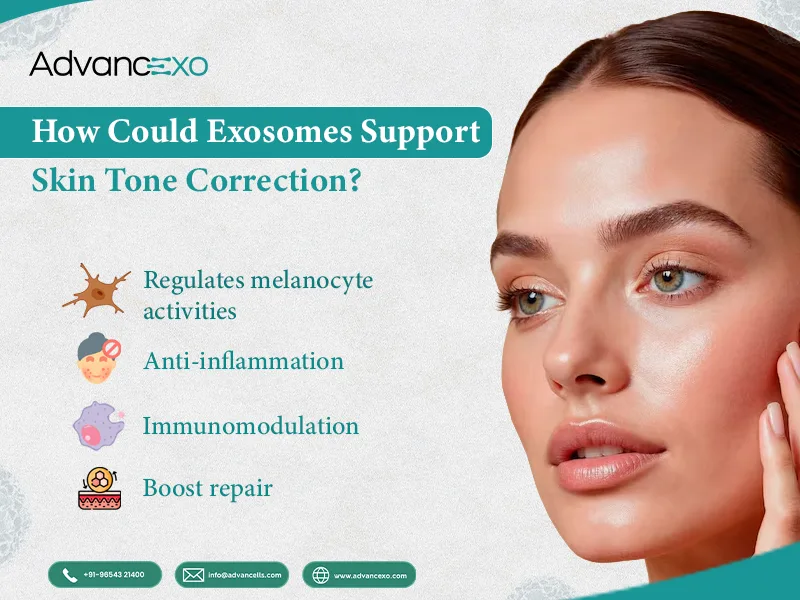
How Could Exosomes Support Skin Tone Correction?
Exosomes Support Skin Tone Improvement in Multiple Ways. This Includes:
Regulates Melanocyte Activities
- Exosomes release signalling molecules that regulate melanocyte activities
- They control excessive melanin-producing cells and minimize darker patches
Anti-Inflammation
- Exosomes release various anti-inflammatory molecules; they regulate the action of pro-inflammatory cytokines.
- Targets low-grade chronic inflammation, calms down localised inflammation
Immunomodulation
- Regulates immune responses by modulating various signalling pathways
- Supports therapeutic acceptance and creates a healthier skin microenvironment
Boost Repair
- Exosomes release growth factors and cytokines; they boost the body’s natural repair mechanism and promote cellular communication
- Efficiently accelerates skin cell renewal and supports cellular recovery
5 Questions to Ask Before Opting for Regenerative Solution
Candidates’ eligibility determination is a crucial criteria before choosing any treatment approach. This is a vital consideration for both dermatologists and potential candidates. The key question includes:
- What is Causing Uneven Skin Tone?
The first step is to determine the cause of uneven skin tone. Possible concerns can be melasma, hyperpigmentation, PIH, photodamaged skin, etc.
- Can Exosomes Address the Underlying Cause? Is There Evidence Available Clinically?
Understanding the biological target is crucial before opting for any regenerative approaches
- What are the Important Considerations While Choosing Exosomes?
Exosome quality influences procedural outcomes. Key considerations include source, isolation method, purity, characterization, and storage conditions
- Could the Chosen Treatment Approach Worsen the Skin Condition?
Patchy or blotchy skin is often triggered by underlying inflammation or PIH. One must ask their dermatologist about the possibility of worsening
- Is the Conventional Method or Combination Approach More Appropriate?
Dermatologists often combine exosome topical application with other established methods as Best Treatment for Uneven Skin Tone
*NOTE: The suitability of the treatment depends on exosome quality, source, isolation procedure, administration procedure, underlying cause, clinical assessment and individual factors. Advancexo, India is a leading supplier of clinical-grade exosomes for skin and hair rejuvenation. The exosomes are well-characterized and undergo stringent quality control in GMP-certified laboratories. The products come with a Certificate of Analysis (CoA)
Exosomes vs. Conventional Approaches
| Approach | Focused area | Where does it potentially fit? |
| Topical skincare [Kojic acid, glutathione, niacinamide, hydroquinone] | Controls pigmentation at surface level | Home/ Self-care |
| Peels [Salicylic acid, AHA, BHA, Glycolic acid] | Skin renewal at epidermal level | Clinical procedure, advised in selective causes |
| Laser Treatment | Targeted skin resurfacing | Clinician-recommended procedure |
| PRP for Skin Rejuvenation | Draws individual’s own blood, develops platelet concentrated plasma (delivers autologous growth factor signalling) | Skin rejuvenation |
| Exosomes application | Support cell-to-cell communication, anti-inflammation, creates supportive skin microenvironment | Modern aesthetic solution, emerging procedure |
What Should Dermatologists Consider Before Skin Tone Correction?
Adequate identification of the causes of uneven skin tone, skin type, existing problems, etc., is a crucial aspect. The key considerations for dermatologists include:
- Identification of the uneven skin tone cause
- Fitzpatrick skin type (numerical classification of human skin colour)
- Pigmentation and recurrence risk identification
- Existing low-grade inflammation or barrier impairment
- Exosome quality, source, characterization details, and storage conditions
- Development of individualized treatment protocol based on individual’s need
- Establishing realistic expectations for the individuals and monitoring the outcome
*NOTE: In the modern-day aesthetic approach, dermatologists often combine exosomes with other conventional treatment approaches for long-term management. For an effective outcome, adapting to a regular skincare routine, using mild products, and management are crucial.
Conclusion
Uneven skin tone is a common skin issue that requires understanding the underlying cause. Skin tone improvement does not just mean reducing visible pigmentation; rather, it requires understanding the underlying cause. It is crucial to understand the cellular environment to support overall skin health. Exosome application is a modern-day regenerative aesthetic solution that introduces changes from within.
FAQ’s
Q- What Causes Uneven Skin Tone?
Uneven skin tone is caused by various factors including altered pigmentation, increased oxidative stress, aging, dullness or other skin problems. Factors influencing uneven skin tone involve regular sun exposure, post-inflammatory marks, environmental stressors, or hormonal fluctuations.
Q- Can Exosomes Improve Uneven Skin Tone?
Yes, exosomes are modern-day aesthetic solutions that boost cellular communication, reduce inflammation, support immunomodulation, and support skin repair. This is a regenerative solution that addresses the skin problem from within.
Q- How Does PRP Support Skin Rejuvenation?
PRP for skin rejuvenation is based on regenerative science. This involves withdrawing an individual’s own blood and extracting platelet-rich plasma. The PRP is injected at the targeted site and is rich in autologous growth factors.
Q- Is Exosome-Based Skin Treatment Suitable for Everyone?
None of the treatments can be blindly suitable for everyone. It is crucial to determine the underlying cause, skin type, pigmentation pattern, comorbid condition, and overall skin health before determining the suitability of the treatment.